
the meta-game
The ability to understand what other market participants are doing and anticipating, then basing your current actions on what they are likely to do next.
A collection of participants open long positions at an average price of $70,000. If price drops back below this level I would watch for those new positions to begin panic selling allowing for downside fuel.
I'm playing the participants and their actions, not just lines on a chart.
Why the meta-game works
The market is mechanics controlled by the human mind. If you can anticipate how enough capital might react, you have a reason to expect buying or selling before those orders come into the market.
A trader's position and risk limits have a HUGE impact on what they do next, which means their next action is not always a reflection of where they think price is going.
Someone who needs to close a long has to sell it to somebody else, regardless of whether they still think the asset goes higher next week. This is an important distinction when looking at the market, you can be bullish and still be a seller because the position you are holding is too large or your invalidation has been hit.
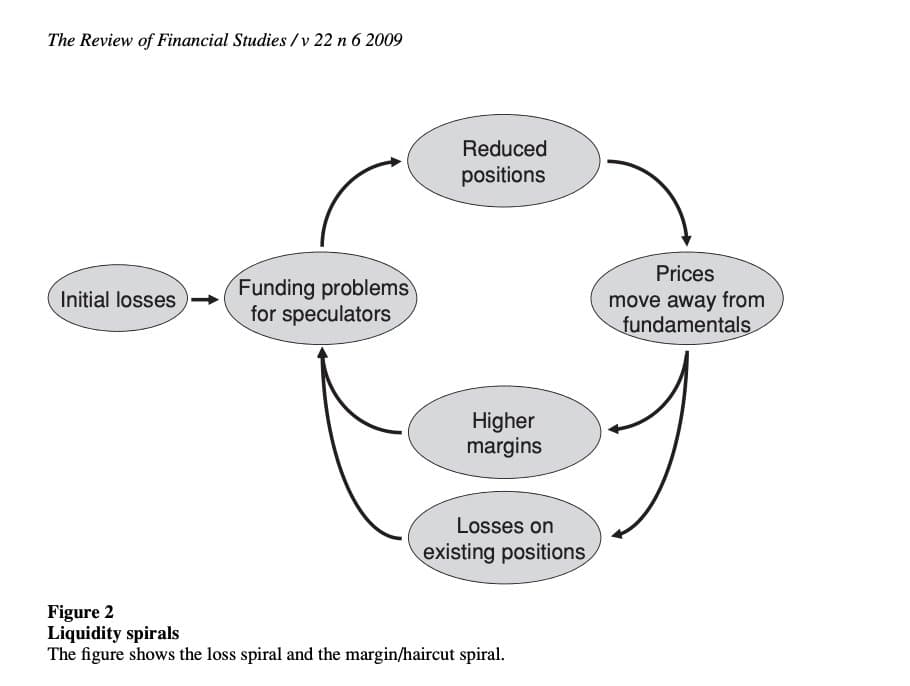
By understanding the position somebody or a collective is in you can begin to work out what their next transaction might be. The longs already exist, what would make them close and could that selling move price enough to justify risking capital?
This gives me a reason to anticipate future orderflow. I can still read the positioning incorrectly, or the selling can come and get absorbed. The expectation needs testing over time.
Thinking from the other side
You need to be able to look at a trade you disagree with and still understand why somebody would take it. If I am looking to buy a level I also want to consider the short from that level, where would they enter, where would they take profit and what would have to happen for them to give up on the idea. This is how you begin to think inside the meta-game.
Let's say their trade works, will they hold, take profit, or even add more. What if their trade fails, where do they exit or start to unwind their positioning.
I want to be in the mind of those on the other side.
Identifying the participants
I don't blindly recommend looking at open interest as it could lead you on an endless chase of different narratives. I begin by trying to understand market context, this means looking at market structure and seeing if price is aggressively trending in one direction (I would take this into consideration heavily).
I then look for obvious levels where other participants may look to enter/exit positions. These are contextual trigger points where only then do I start to look at open interest/volume/liquidations/cvd.
- obvious highs/lows (swing points)
- untested round numbers
- pivots created by major news events
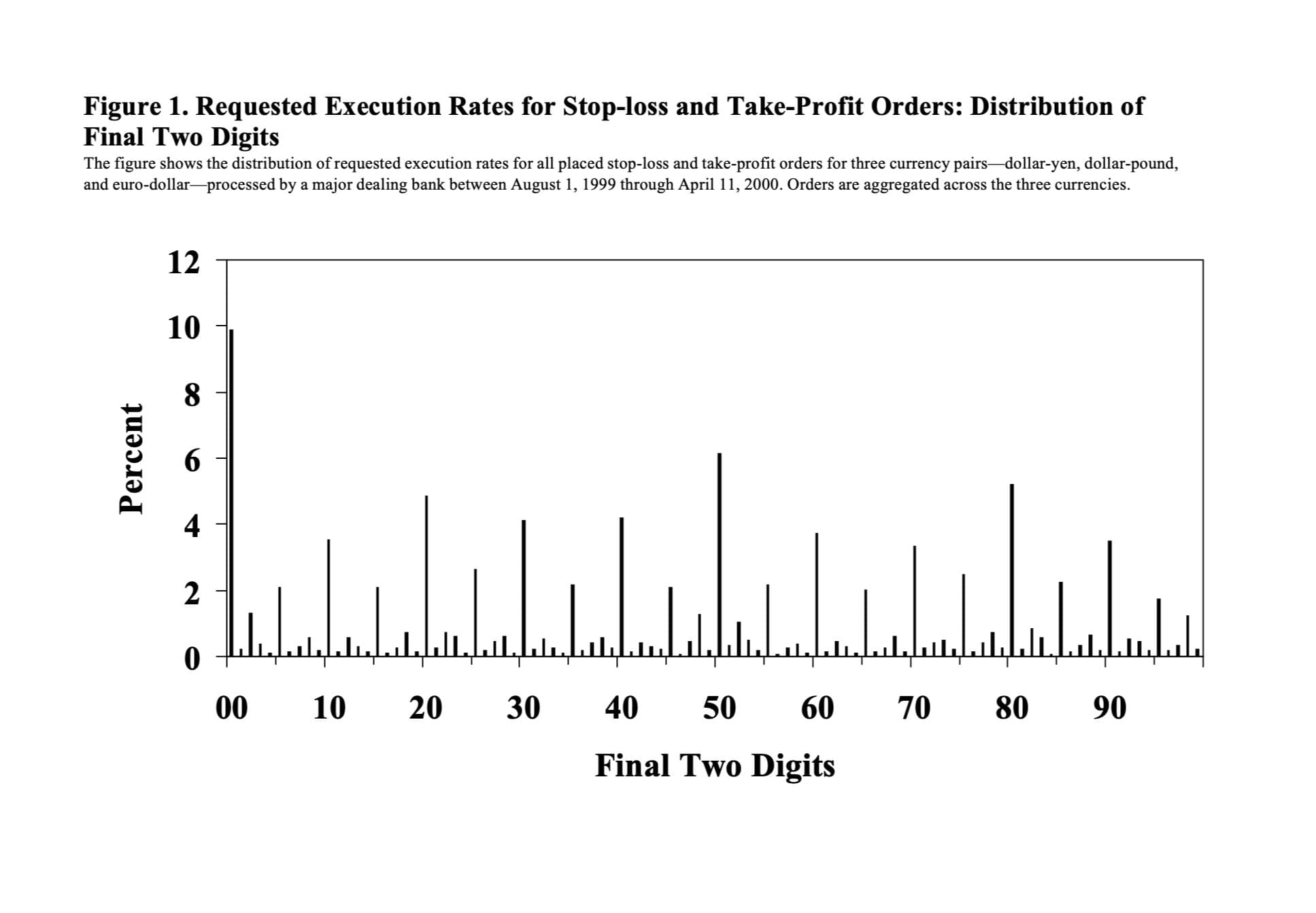
These are levels where I begin to monitor the thesis of identifying new traders positioning ahead of a breakout, or traders actually buying/selling a breakout.
If open interest is increasing into an untested round number like $100k, I want to identify the area where most of that increase originated from. This gives me a potential inflection area rather than an exact entry for everyone involved. If price comes back below it, I am watching for buyers from that move to start unwinding their positions (selling).
Price pushing up (fat body candle) aggressively alongside open interest increasing alongside positive delta gives me reason to suspect a flurry of new market longs entering into the market.
Betting on these longs being trapped is something I would consider if price sees acceptance back below the area in which I think they entered. I would want more than a quick wick below, for example price trying to reclaim the area and failing. The further price moves against them the worse their position becomes.
Trading their next move
The examples above focus on people being wrong, but I also want to consider those waiting to enter or already in profit. What would make them commit more capital?
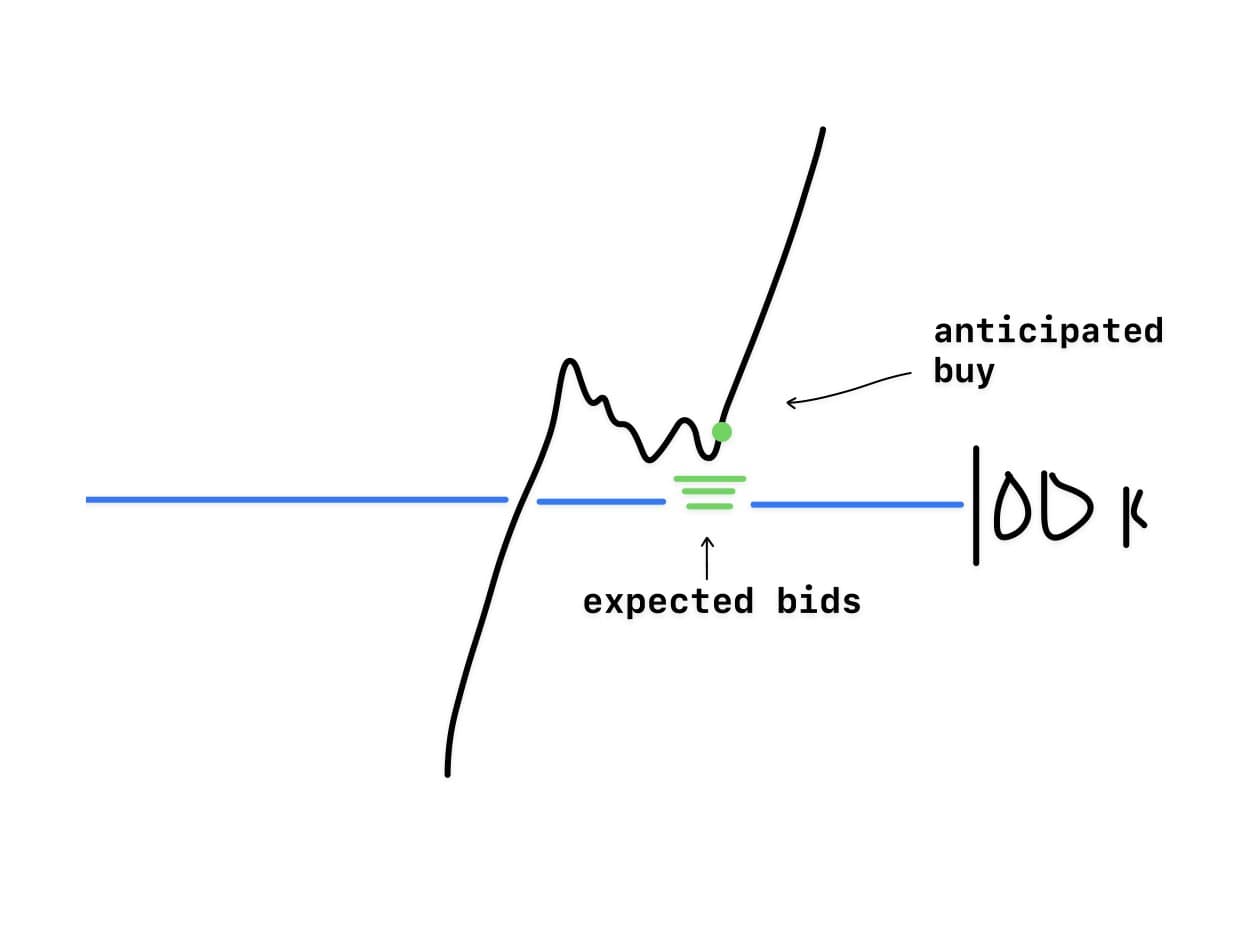
If price breaks $100k and holds above, a breakout/retest trader may be waiting to buy a pullback to that level. Another trader could expect those bids and decide to buy slightly above $100k to try and get filled first.
The first trader is waiting for their setup, the second is making a decision around the buying they expect from the first. This is what I want you to think about, how somebody else's likely action could influence your own trade before they have even acted.
Your aim is to exploit these forced or expected decisions consistently and profitably enough to make this part of your edge.
Taking action
To start practising this type of thinking I would take a level you already have marked out. Consider two different groups and write down what would make each buy/sell there, before price arrives.
Then compare the orderflow and price response with your previous expectations. You can do this without taking a trade, the purpose is to practise your read of market participants.
If you do enter, include yourself. If I were holding your trade, where would you expect me to give it up?